
How Waterless Urinals Are Changing Sanitation in 2026
- bhumikat1
- Feb 17
- 5 min read
In 2026, sanitation is no longer viewed as a back-end facility function - it has become a strategic pillar of sustainability, cost management, and environmental responsibility. Rapid urbanization, infrastructure growth, climate pressure, and ESG compliance have forced institutions to rethink something as basic as a flush. Traditional urinals that use potable water for every use are increasingly seen as inefficient in a world where water scarcity and rising utility costs are real challenges.
Waterless urinals are not just an alternative fixture; they represent a shift in mindset - from consumption-based sanitation to conservation-based sanitation. In high-footfall environments such as malls, schools, IT parks, factories, and airports, this shift is becoming critical rather than optional.
The Shift from “Flush Culture” to Smart Sanitation
For decades, flushing has been psychologically associated with cleanliness. The louder and stronger the flush, the more hygienic it felt. However, modern facility management data reveals a different story. Every flush consumes treated, potable water - water that has been processed, pumped, and supplied at a cost. In high-usage environments, this translates into thousands of liters wasted daily just to transport urine into sewage lines.
Beyond water wastage, flushing adds extra hydraulic load to sewage systems and sewage treatment plants (STPs). More water means higher pumping energy, higher chemical treatment costs, and greater operational stress on infrastructure. Ironically, despite all this water usage, odor problems often persist due to splash-back, stagnant traps, and bacterial buildup.
Smart sanitation in 2026 focuses on outcomes, not habits. The goal is odor control, hygiene, cost reduction, and environmental responsibility , all achieved more efficiently. Waterless urinals align perfectly with this smarter approach.

Why Waterless Urinals Matter More Than Ever in 2026
1) Water Scarcity and Resource Accountability
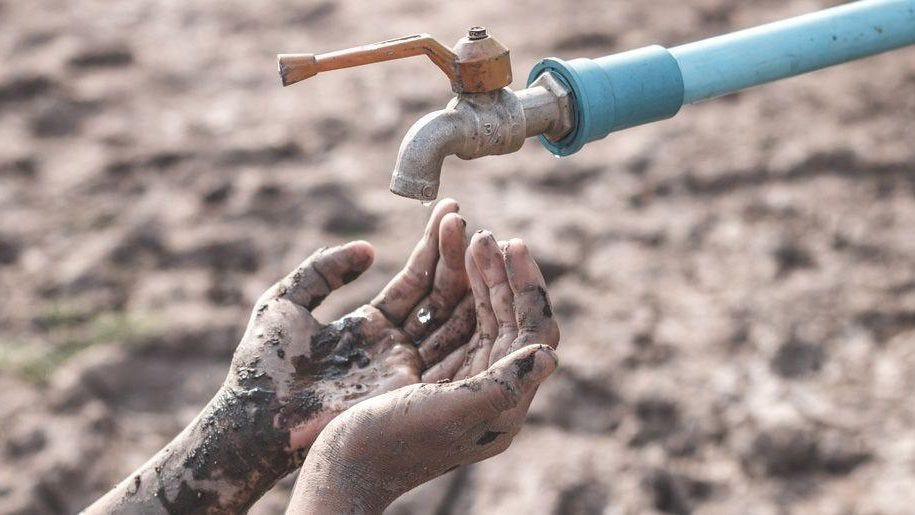
Water scarcity is no longer a distant concern - it is a present operational risk. Countries like India are experiencing groundwater depletion, irregular rainfall patterns, and rising demand due to population growth and industrial expansion. Cities face seasonal water stress, and commercial buildings are under increasing scrutiny for how responsibly they consume water.
In such a context, using drinking-quality water for flushing urinals becomes difficult to justify. Waterless systems eliminate this waste entirely. For high-footfall properties, the annual water savings can run into millions of liters. That’s not just an environmental benefit - it’s strategic risk management. Organizations that conserve water are more resilient to supply disruptions and future regulatory changes.
2) ESG Compliance and Green Building Standards
Environmental, Social, and Governance (ESG) reporting has moved from voluntary to expected. Investors, clients, and regulators increasingly evaluate companies based on measurable sustainability performance. Water efficiency is a key metric in these evaluations.
Green building certifications such as LEED reward facilities that reduce potable water consumption through efficient fixtures. Waterless urinals directly contribute to water-use reduction credits, helping organizations achieve higher sustainability ratings. This is particularly important for corporate campuses, airports, and commercial complexes that aim to position themselves as environmentally responsible brands.
In 2026, adopting waterless sanitation is not just about savings - it strengthens ESG reporting, enhances brand reputation, and demonstrates leadership in sustainability.
3) Infrastructure Growth and High-Footfall Demands
Urban expansion is accelerating. Smart cities, transportation hubs, metro networks, industrial corridors, and mega commercial complexes are expanding at unprecedented rates. These facilities handle massive daily footfall, which directly translates into intensive washroom usage. Traditional flush systems struggle in such environments. High usage increases plumbing wear and tear, water bills, odor complaints, and maintenance frequency. Waterless urinals, designed for heavy-duty performance, eliminate flushing-related breakdowns and significantly reduce operational stress.
In high-footfall environments, the logic is simple: the more the usage, the greater the water wastage in traditional systems and therefore, the greater the potential savings with waterless systems.

How Waterless Urinals Work
Modern waterless urinals operate on intelligent design rather than water dependency. Instead of using water as a barrier to block sewer gases, they use advanced trap mechanisms, sealing liquids, or cartridge systems that allow urine to pass while preventing foul gases from returning.
The design typically relies on gravity-based drainage, ensuring smooth flow without stagnation. Some systems incorporate bio-enzymatic or odor-neutralizing technologies that break down odor-causing compounds at the molecular level.
By eliminating flush valves, water pipes, and constant wet surfaces, waterless urinals reduce bacterial growth points and splash-back issues. The result is a cleaner, drier, and more hygienic washroom environment with significantly lower maintenance complexity.
Why Zerodor Is Better in 2026
While the market offers multiple waterless options, not all systems are built for long-term performance in demanding environments. Zerodor distinguishes itself by focusing not only on water elimination but also on advanced odor science, durability, and measurable sustainability impact.
Advanced Odor Neutralization Technology
Many traditional solutions rely on masking fragrances to hide unpleasant smells. This approach offers temporary relief but does not eliminate the root cause. Zerodor’s approach is based on odor neutralization rather than concealment. By targeting odor-causing molecules directly, it prevents bad smells from forming or spreading.
This becomes especially important in high-footfall spaces such as airports, shopping malls, and industrial facilities where usage is continuous throughout the day. Consistent odor control enhances user comfort and improves the overall perception of hygiene and quality.

Higher Financial Savings in High-Usage Environments
Water savings alone can significantly reduce operational costs. However, Zerodor’s impact extends beyond utility bills. Eliminating flush mechanisms reduces plumbing failures, sensor malfunctions, valve replacements, and water leakage risks.
Additionally, lower water flow into sewage systems reduces STP load, decreasing energy consumption and treatment costs. In large facilities, this cumulative impact creates faster return on investment (ROI). The higher the footfall, the stronger the economic advantage becomes.
Sustainable and Future-Ready Design
Zerodor systems are designed to support long-term sustainability goals. By conserving potable water, lowering sewage volume, and reducing the carbon footprint associated with water treatment, they align with global sustainability targets and corporate ESG frameworks.
In 2026, sustainability is measured in quantifiable outcomes. Zerodor enables organizations to track water savings and demonstrate tangible environmental impact strengthening sustainability reporting and compliance performance.
Built for Heavy-Duty Performance
Not all waterless systems can withstand continuous high traffic without performance issues. Zerodor is engineered for durability, consistent odor control, and low downtime. Its design minimizes clogging risks and simplifies maintenance routines, making it practical for schools, factories, airports, malls, and corporate campuses.
Reliability in high-footfall settings is critical. Downtime in sanitation areas affects user experience and brand image. Zerodor’s heavy-duty capability ensures that sustainability does not compromise performance.
The Bigger Transformation in 2026
Waterless urinals represent more than a plumbing upgrade - they symbolize a shift toward responsible infrastructure. By reducing water dependency, lowering environmental impact, and improving cost efficiency, they are reshaping how modern facilities approach sanitation.
In 2026, sanitation is no longer about simply flushing waste away. It is about conserving resources, protecting infrastructure, ensuring hygiene, and meeting sustainability commitments.
The future of sanitation is water-efficient, odor-free, cost-effective, and environmentally responsible. And forward-thinking organizations are already making the switch.
Switch to waterless. Switch to smarter sanitation. Switch to Zerodor.


Comments