
Why You Should Buy Waterless Urinals in India – Cost & Water Savings
Walk into any public restroom in India,whether in a mall, office, airport, or cinema ,and you'll notice one thing: water is everywhere, except where it's truly necessary. Think of a urinal that stays hygienic and efficient , without wasting any water. No flushing, no odors, no plumbing issues. Does it sound futuristic? Not at all. This is the reality of waterless urinals in India, a straightforward yet effective solution tackling the country's significant water issues while providing eco-friendly restroom options.
How Much Water Do Traditional Urinals Waste?
Traditional flush urinals use liters of water each time they’re flushed. In high-traffic settings, that adds up fast, hundreds liters of water daily per fixture. Government guidance on water‑efficient plumbing even notes that water free urinal systems can prevent this waste, that a typical urinal could waste about 80–100 liters daily, and that using water free options can cut water use dramatically. A standard flush urinal uses 2–4 liters of water per flush.
In high-traffic spaces, each urinal flushes 80–100 times per day, wasting 250–400 liters daily per urinal. Over a year, that adds up to over 1 lakh liters of water per urinal. Multiply this across thousands of buildings in India, and the scale of waste is staggering. Choosing to buy waterless urinals is one of the simplest ways to cut this unnecessary water usage. That’s a huge leak in your building’s water budget. Over a year, a single urinal can easily waste tons of thousands of liters , before you multiply by the number of fixtures in a mall or office tower. When you plan to buy waterless urinals, you immediately stop that leak.
How Waterless Urinals Work
Waterless urinals India uses gravity, one-way seal systems, and odor traps instead of flushing. Modern designs ensure they are hygienic, odor-free, and low-maintenance. They don’t just save water , they reduce plumbing issues and avoid the wear and tear caused by regular flush systems. This makes them a smart and eco-friendly restroom solution for homes, offices, and commercial spaces.
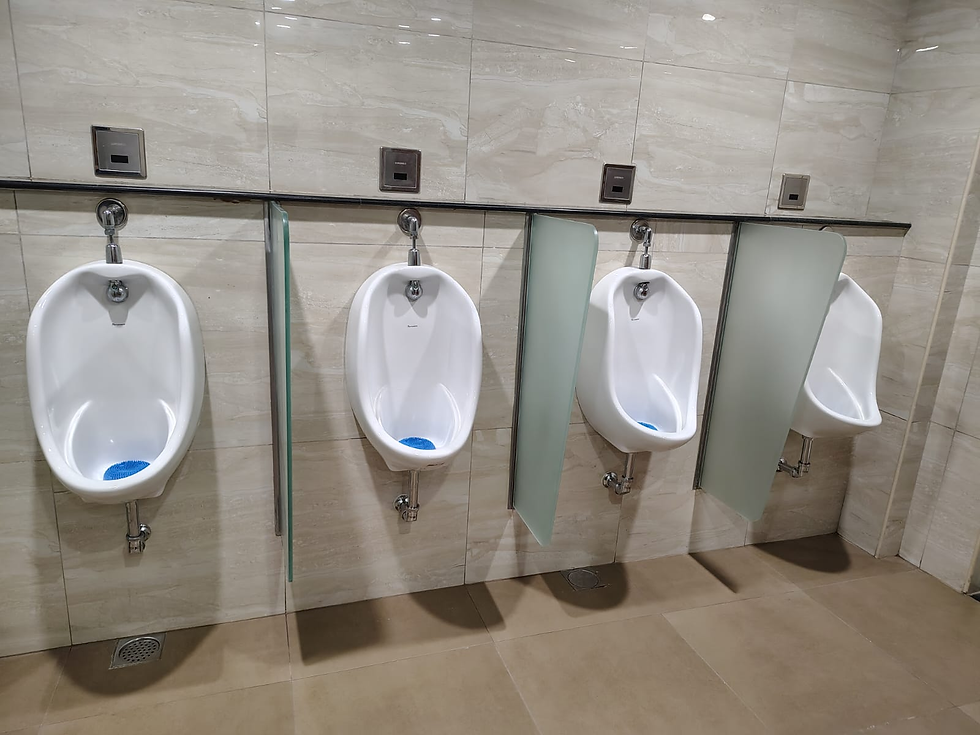
Zerodor waterless urinals are redefining restroom sustainability by delivering a cleaner, smarter, and more economical solution. They save 1.5 lakh liters of water every year, all while staying 100% odor-free through a patented, chemical-free design. With no cartridges to replace and almost zero maintenance, they’re easy on your budget and effortless to manage. Installation is simple , just retrofit them onto existing urinals and start saving from day one. By eliminating stagnant water, Zerodor ensures better hygiene, fresher washrooms, and a truly sustainable experience for offices, malls, hotels, schools, and public spaces. It’s not just a urinal it’s a step toward a greener future.

Cost And Water Saving
Benefit Category | Traditional Urinal | Zerodor Waterless Urinal | Your Savings |
Water Usage per Year | 150,000 to 170,000 liters (per urinal) | 0 liters | 1,50,000 liters saved annually |
Water Bill Costs | ₹10,000–₹120,000 per year | ₹0 on water usage | ₹10,000–₹12,000 saved every year |
Maintenance Costs | High — flush valves, sensors, pipelines require frequent repair | Low — no flush valves, no sensors, no plumbing leaks | Reduced maintenance spending |
Consumables | None needed | None required (Zerodor uses no chemicals, no cartridges) | ₹10,000–₹12,000 annual savings vs other waterless systems |
Installation | Plumbing-intensive | Easy retrofit on existing urinals | Save on renovation/installation costs |
Return on Investment (ROI) | Slow | 4-8 months | Fastest ROI in sanitation upgrades |
Long-Term Cost Benefit (5 years) | High recurring bills and repairs | Low operating cost + consistent water savings | ₹2–4 lakhs saved per urinal over 5 years |
Environmental Impact
India faces severe water scarcity, and sewage systems are under pressure. Waterless urinals help by:
Reducing freshwater usage
Lowering sewage load
Supporting sustainable sanitation
One waterless urinal can save enough water yearly to supply drinking water for 50–60 people or fill 500 bathtubs. Adopting eco-friendly restroom solutions like these creates a massive positive environmental impact.
Addressing the Smell Myth
Many assume waterless urinals will smell. Modern designs with airtight one-way traps, anti-bacterial surfaces, and vertical flow systems prevent odor entirely. Often, restroom smell comes from dirty floors or poor ventilation, not the urinal itself.

Ideal Places for Waterless Urinals
Waterless urinals are perfect for:
Corporate offices
Hotels and malls
Schools and colleges
Airports and railway stations
Factories and high-footfall public restrooms
Essentially, any high-traffic restroom can benefit from waterless urinals India for water and cost savings.
Conclusion
Choosing to buy waterless urinals isn’t just a green decision , it’s practical, cost-effective, and sustainable. In a country facing growing water scarcity, adopting eco-friendly restroom solutions is a small change with a big impact. Save water. Save money. Save the planet.
Installing Zerodor is not just a green choice , it’s a smart, cost-effective, and sustainable investment. With minimal maintenance, significant water savings, and improved hygiene, Zerodor represents one of the most reliable eco-friendly restroom solutions available in India. For facility managers, businesses, and institutions, the purchase intent is clear: save water, save money, and make restrooms smarter, cleaner, and greener.


Comments